Buddha Lightbox: A Designer’s Honest Take for Real Embroidery Use
First Impressions: Calm, Minimal, and Ready for Embroidery
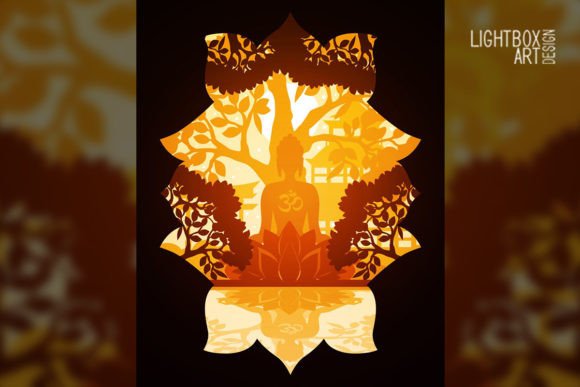
The first time I opened the Buddha Lightbox files, I was struck by the clean, meditative feel of the design. It’s a minimalist silhouette with a soft glow effect, giving it a modern spiritual vibe. As a designer who regularly works with embroidery for boutique products and personalized gifts, this design immediately felt like a good fit for tote bags, sweatshirts, and nursery decor. The layered layout suggests depth without being overly complex, which is a big plus when translating it into actual stitching.
How Buddha Lightbox Performs in Real Embroidery Projects
I tested the design on a few different fabric types and product styles to see how it would hold up. On a medium-weight cotton tote, the stitch definition was clear and the layers translated well into a dimensional look. For a baby onesie, I scaled it down slightly, and it still held its shape without getting too busy. On a dark-colored sweatshirt, the contrast was strong and the lightbox effect popped nicely with a light thread outline. The 8×11 inch layer size is versatile enough for most mid to large hoop machines, which makes it suitable for small shop owners and Etsy sellers looking to add spiritual-themed items to their lineup.
Custom Apparel and Sweatshirts
When used on a custom embroidered sweatshirt, Buddha Lightbox gives a relaxed, zen-inspired look that’s on-trend for casual wear. The design doesn’t overwhelm the garment, and the layered effect adds just enough visual interest without requiring intricate applique work. It stitched cleanly with standard fill and satin stitches, and required minimal trimming.
Tote Bags and Kitchen Towels
For tote bags and tea towels, this design brings a soft decorative touch. I found that using a slightly contrasting thread color around the lightbox edges made it stand out more, especially on natural linen or off-white cotton. It’s a great size for center placement or as a corner accent on larger items like kitchen sets or embroidered blankets.
Baby and Nursery Decor
As a designer for handmade baby products, I was curious how this would translate into a nursery theme. I stitched it onto a breathable organic cotton pillow cover and was pleased with how soft and non-distracting it looked. It gives a peaceful vibe without being too bold, which is perfect for baby rooms or personalized baby blankets.
Where to Use Buddha Lightbox with Care
While the design is flexible, there are a few situations where it needs thoughtful handling. On stretchy fabrics like jersey or performance blends, I noticed slight distortion in the finer lines unless I used a firm stabilizer underneath. Thin or loosely woven fabrics also risk showing too much of the background through the lightbox effect, which might not be ideal for all customers.
Dark fabrics work well overall, but you’ll want to test thread color options to ensure visibility. I found that a white or light gold outline helped the design stand out clearly. On curved surfaces like baseball caps, the design holds up if you hoop it carefully and use a soft stabilizer to avoid puckering.
If you’re planning to use it on items that get washed frequently—like baby clothes or kitchen towels—check the stitch density and make sure the layers aren’t too tightly packed, which could lead to stiffness or fraying over time.
Visual Appeal and Customer Perception
From a visual standpoint, Buddha Lightbox has a calming, almost therapeutic presence. It’s not flashy but carries a quiet elegance that works well for handmade products with a mindfulness or wellness angle. As an embroidery designer, I appreciate how it adds value without demanding too much in terms of setup or thread changes.
For Etsy sellers and small shop owners, this kind of design can help build brand consistency, especially if your niche is in spiritual or lifestyle-themed merchandise. It’s recognizable enough to stand out in a product listing, and the layered effect gives a sense of craftsmanship that customers associate with quality handmade goods.
Practical Notes for Embroidery Designers
- Test on scrap fabric first to see how the layers stitch out and how they sit on the intended fabric.
- Check thread color contrast, especially on dark or textured materials, to ensure clarity.
- Review stitch density before embroidering on stretchy or thin fabrics to prevent distortion.
- Confirm hoop size compatibility with your machine, especially if you're working with smaller hoops or curved surfaces.
- Inspect small details like corners and outlines to make sure they won’t get lost in the final stitch.
- Test in black and white mockups to see how it looks without color influence.
- Compare light and dark backgrounds to evaluate versatility across different product types.
- Use proper stabilizer depending on the fabric—cutaway for stretchy materials, tear-away for stable cottons.
- Check licensing terms before selling finished items or digital embroidery files to avoid legal issues.
Final Thoughts: A Thoughtful Design for Mindful Makers
The Buddha Lightbox is more than just a trendy silhouette. It’s a design that speaks to the growing demand for meaningful, intentional handmade products. Whether you're creating custom apparel, personalized baby items, or boutique tote bags, this design has the flexibility and visual appeal to elevate your finished product. Just make sure to test it thoroughly and consider fabric choices carefully to get the best results.
For embroidery designers and small business owners, it’s a solid addition to your digital design assets—especially if you're aiming for a clean, modern aesthetic with a touch of spiritual calm.